


1 October 2026 · From the field · 1 min read
Most sarees with a contrasting border are one cloth. The border is woven in the same web as the body, in a different colour, and where the two meet there is nothing to fail — because there was never a join.
A Gadwal kupadam is not that. The body is fine cotton. The border and the pallu are silk. Two different fibres, with two different tensions and two different appetites for water, and the weaver has to marry them into one garment that will be worn, washed and folded for thirty years.
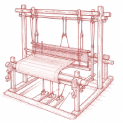
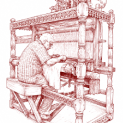
At the point where cotton ends and silk begins, the two warps are looped through each other by hand, thread by thread, before the weft ever passes. The join is not a seam laid over the cloth; it is part of how the cloth is constructed. Pull the border and the body in opposite directions and there is nothing to give way, because they are already one structure.
It is slow. A weaver setting up a kupadam warp spends the better part of two days on the join alone, before a single inch of saree exists.
Cotton and silk move differently. A stitched border fights the body every time you drape, and after a few years the stitching line shows as a pucker, then a tear. An interlocked border moves with the body because there is no third material — no thread — mediating between them.
This is also why a kupadam drapes the way it does. The weight change from cotton to silk happens across a few millimetres rather than at a hard edge, so the pleats fall without a fight.
Every Gadwal we sell is interlocked, woven at Jogulamba Gadwal, and the making record in the parcel names the weavers who set the warp.